When you sit down to talk with NorCal SCI Board member Marco Sorani, his deep curiosity about the world and genuine love for people shine through right away. We are so lucky to have someone on our Board who is so deeply dedicated to both the spinal cord injury community and the advancement of SCI research. Whether he’s diving into the latest breakthroughs in neuromodulation, wandering along the San Francisco Bay with his wife and daughters, or hosting a gathering centered around great food and close friends, Marco brings thoughtfulness and heart to everything he does. Over three decades into his journey following a swimming accident, his perspective has evolved from focusing solely on medical research to championing the day-to-day support and peer connections that help our community thrive.
I was thrilled to catch up with Marco to talk about his background in biotechnology, his love for 1980s Chicago classics, and the lessons he’s learned over the last 32 years.
Marco, thank you so much for taking the time to share your story with us! To kick things off, where do you usually start your timeline when sharing your journey, and what is one truth about living with an SCI that you wish more people understood right off the bat?
I talk about how I was injured in a swimming accident in the ocean 32 years ago.
SCI is so hard, and it's so complicated. People just see someone in a wheelchair, and they think, “Oh, that person can't walk.” Honestly, at this point, that's the least of my worries. Bowel management, pressure sores, urinary tract infections, muscle atrophy and pain, psychological frustration. The list goes on and on and on. It's a lot. That's why I think it's so important that peers support each other because, at the end of the day, it's hard to understand how challenging SCI really is unless you are living it.
Thank you for speaking so candidly about the hidden complexities of SCI. Navigating all of that requires the right environment—what everyday items or setups do you consider complete non-negotiables, and what is a topic you could easily talk about for hours without any prep?
Having easy access to my commode chair and bathroom supplies is so important. It's frustrating to me that people with SCI often have to struggle to simply access a bathroom, even in their own house. I also really rely on my roll-in ramp minivan. Having a car gives me a lot more independence.
Honestly, I could talk about SCI for hours. I'm still very interested in medical research in neuromodulation and so on, but there are so many important, interrelated issues spanning medical research and the many needs of the community.
It’s clear how deeply you care about both the science and day-to-day independence. How did you first cross paths with NorCal SCI, and which of our events or outings has left the biggest footprint on you so far?
I met Franklin at an Abilities Expo in San Mateo. Later, I learned about the open Board position. This coincided with my overall shift in attitude from focusing only on medical research to improve neurological outcomes to also understanding the need to provide basic support (rehab, home and vehicle modifications, etc.) to get from day to day.
I really enjoyed the Sausalito kayaking event this past summer. I also think that the Inspire event is such a great way to reach a lot of people and educate about SCI.
You’ve mentioned how vital peer support is—was that tied to the best piece of advice you ignored at first, only to realize later that it was spot on? And along those lines, who in your circle never fails to bring out the absolute best version of you?
The best piece of advice for SCI in particular and life in general is to connect with people. Early after my injury, I didn't want to see myself as someone with a disability, so I avoided the SCI community. Later on, I realized that we were all part of a club that no one wanted to join, and we were all interesting, unique people with learnings and stories. I think this is true about life as well.
My daughters force me to be honest and considerate. They rarely just tell me what I want to hear, like sometimes happens with adults or at work. They force me to reflect on my actions and behaviors and thoughts, and that makes me a better person.
Connecting with others really does ground everything. Shifting gears to life outside of advocacy, what childhood interests still shape your career and free time today, and what would your absolute dream afternoon look like?
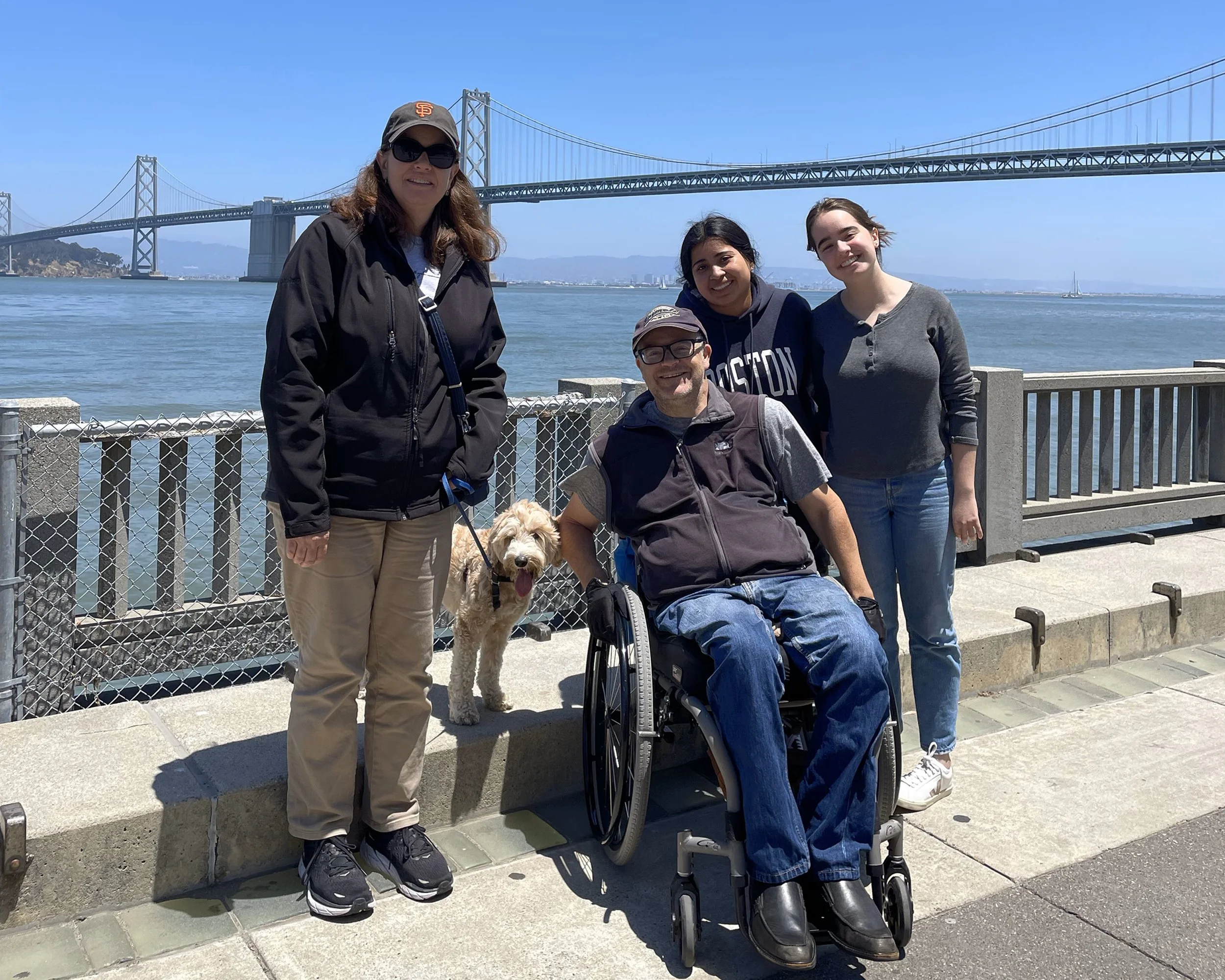
As a kid, I loved nature and animals. That eventually steered me towards a career in biology and biotechnology. Even outside of my job though, I love being in a garden, a park, a farmer’s market, along the SF Bay (see photo with my wife and daughters), or anywhere that I can interact with nature.
I would really be happy to lie on the beach with a drink in hand and a good book!
You can't beat a good book by the water! When you're relaxing at home, what movies or books always put you in a great mood—and if you could instantly become an expert at any sport or creative art, what are you picking?
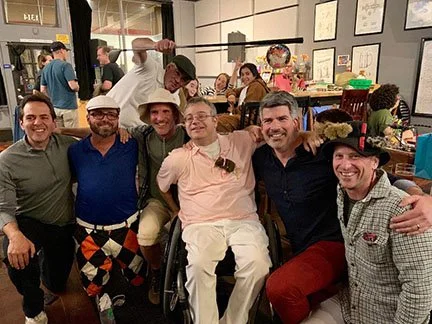
I grew up in the 80s In Chicago, so I love movies from that time. Ferris Bueller, The Breakfast Club, Caddyshack (see photo from my 50th birthday). I also love to read fiction series. Lord of the Rings, Chronicles of Narnia, Harry Potter. I really get deep into the characters and the story. It's such a great escape.
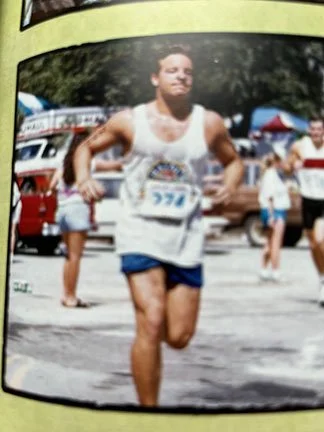
I would love to be a great artist, like a painter or illustrator. I would also love to compete in triathlons again, like before my injury.
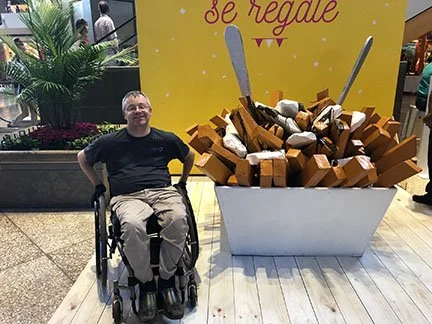
Those are absolute classics! To wrap things up on a high note, if you had an unlimited budget to curate one unforgettable weekend experience, how are we celebrating?
I would host a big party to get all my friends together and eat. Those are two of my core values. I love my friends, and I love food!
