
Breaking Barriers: New Camera System Opens Doors for Wheelchair Users in Film
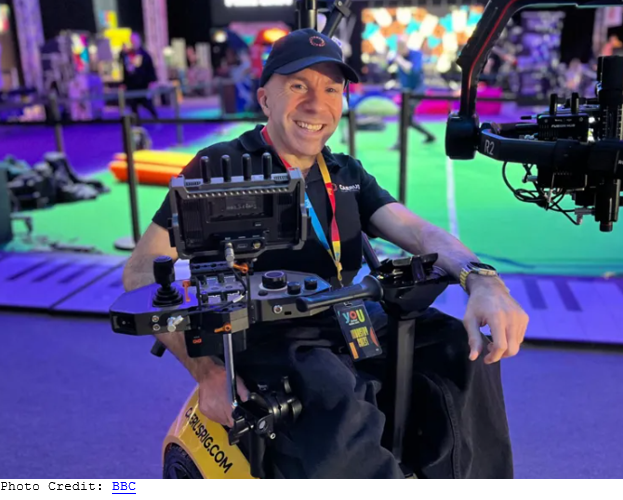
The world of professional cinematography has long been a challenging field for individuals with physical disabilities, but a new invention is set to change the narrative. Chris Lynch, a London-based filmmaker living with brittle bone disease, has patented what is believed to be the first wheelchair-mounted camera system. This innovation allows wheelchair users to operate heavy professional equipment with the same precision and stability as able-bodied Steadicam operators.
Developed in collaboration with engineering experts at Tilta, the system features a specialized mount that attaches a Steadicam to the side of a power chair. Instead of bearing the weight of the camera manually, the operator controls the movement through a panel placed on their lap. This setup not only removes the physical strain that previously made camera operation inaccessible but also adds high-end production value to any film set, allowing for fast-tracking shots and long-duration filming.
For those in the SCI community, this innovation is more than just a piece of gear; it’s a direct answer to the physical limitations of reduced core stability and upper-body strength. By transferring the heavy load of a camera to the wheelchair's frame, it allows individuals with varying levels of paralysis to enter a high-demand profession that was previously considered physically "off-limits."
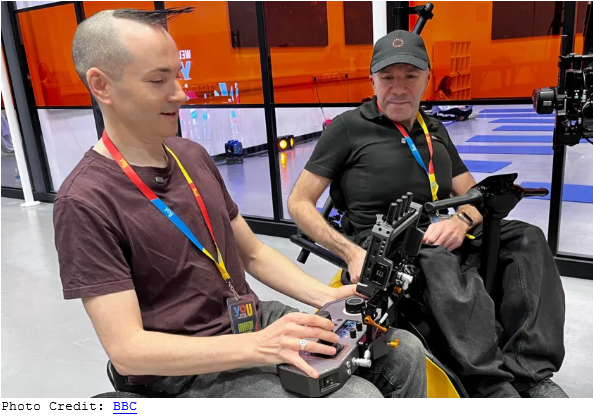
The impact of this technology is already being felt across the industry. Industry veterans, including Owen Tooth, the first wheelchair-using director for the long-running British soap EastEnders, have praised the system for the creative freedom it provides. By removing the physical barriers to camera operation, the industry is moving closer to a future where storytelling is defined by vision and talent rather than physical mobility.
