
Proactive Wellness: Navigating Secondary Health Management Beyond the Basics
August marks National Wellness Month, making it a great time to talk about long-term health after a spinal cord injury. Recovery doesn't stop once initial rehab wraps up. Staying healthy over the long haul means staying ahead of secondary conditions with practical, everyday habits tailored to how you move.
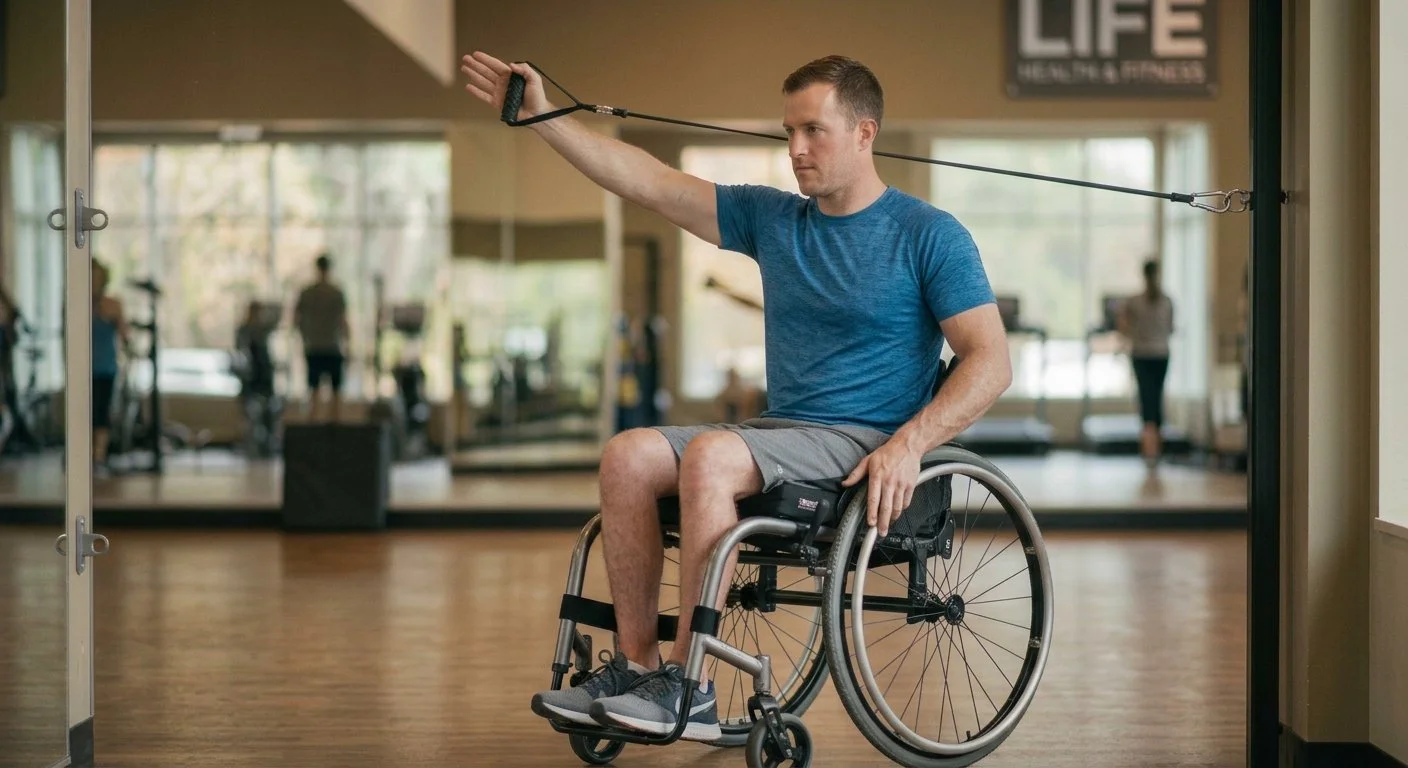
Full-Time Wheelchair Users: Keeping Joints Strong and Skin Healthy
When you use a manual or power chair every day, protecting your shoulders and caring for your skin are top priorities.
Shoulder mechanics: Repetitive pushing takes a heavy toll on upper-body joints. As detailed in Yes, You Can!, switching to long, smooth semicircular propulsion strokes rather than short, rapid pushes significantly reduces peak shoulder forces. Adding targeted resistance-band exercises for your upper back and rotator cuffs helps balance out the muscles heavily used during everyday pushing.
Smart pressure relief: Red skin isn't the only indicator of tissue distress. Performing weight-shift maneuvers every 15 to 30 minutes—including subtle forward or lateral leans—restores blood flow to pressure points and protects skin integrity.
Seating checkups: Bodies change over time, and wheelchair cushions degrade with daily use. Scheduling a regular seating evaluation with a therapist ensures your cushion, backrest, and posture supports continue to deliver optimal pressure redistribution and spinal alignment.

Walkers and Ambulatory SCI: Beating Fatigue and Protecting Joints
Walking with an incomplete spinal cord injury takes real energy, which can put extra wear on joints and raise the risk of falls.
Pacing your day: Walking with altered muscle control can take up to twice as much energy as standard walking. As emphasized in Yes, You Can!, scheduling planned rest breaks throughout the day helps prevent severe nervous system fatigue, foot drag, and dangerous falls.
Updating your gear: Ankle-Foot Orthoses (AFOs) and braces require regular clinical tune-ups to ensure proper alignment. Using advanced lightweight or carbon-fiber AFOs helps return energy with every step while protecting knees and hips from long-term joint strain.
Building core stability: Focusing core exercises on trunk control and dynamic balance makes a significant difference when navigating uneven ground or walking in low light.

Part-Time Wheelchair Users: Finding the Right Balance
Switching between walking and using a chair requires listening to your body and knowing when to conserve energy.
Choosing the right tool: Pushing through severe tiredness just to stay on your feet often leads to shoulder overuse, joint strain, and dangerous falls. As highlighted in Yes, You Can!, using a wheelchair for longer trips or crowded spots conserves vital arm strength and physiological energy for safe mobility at home.
Easing posture changes: Moving back and forth between sitting and standing alters spinal alignment. Keeping core muscles engaged helps stabilize the spine during these transfers.
Keeping gear ready: Having portable transfer tools adjusted and within reach keeps daily movements safe and efficient.
Shared Health Priorities: Managing Systemic Symptoms
No matter how you get around, a few key symptoms affect almost everyone in the SCI community.
Watching for Autonomic Dysreflexia: For injuries at T6 or higher, AD can show up through subtle signs like sudden head pressure, facial flushing, or sweating above the injury level. Beyond bladder or bowel triggers, Yes, You Can! warns that minor skin irritations—such as tight waistbands, restrictive clothing, or ingrown toenails—can trigger a dangerous spike in blood pressure.
Tackling nerve pain: Managing neuropathic pain works best with a personalized approach. Non-pharmaceutical techniques like transcutaneous electrical nerve stimulation (TENS), targeted physical therapy, acupuncture, and deep breathing offer relief without a prescription. Pairing these modalities—or prescribed medications—with gentle stretching, heat, or ice packs helps soothe overactive nerve pathways.
Staying cool (or warm): SCI interrupts the brain's ability to signal sweating or shivering below the injury. Planning ahead with cooling vests, warm layers, and consistent fluid intake helps maintain a stable internal temperature.
Get Moving with the Community
If you're looking for a fun, structured way to build strength and stay active, NorCal SCI offers an online program called Staying Driven Wheelchair Fitness. You can work out for free for an hour with Coach Steph Roach and your wheelchair community. It's lots of fun, and it’s good for you too! Join them every Wednesday and Friday at 4:00 PM PST. REGISTER HERE.
A strong proactive wellness plan isn't about overhaul overnight; it is built on small, intentional adjustments to your daily routine. By staying ahead of joint strain, managing energy demands, and listening closely to systemic signals, you protect your independence and overall quality of life for the long haul. Take time this National Wellness Month to evaluate what your body needs today, make the necessary tweaks, and keep moving forward on your terms!
The information in this article is drawn directly from the clinical guidance and patient education standards established in Yes, You Can! A Guide to Self-Care for Persons with Spinal Cord Injury (5th Edition), published by the Paralyzed Veterans of America (PVA). This landmark manual serves as an authoritative textbook in spinal cord injury rehabilitation, providing evidence-based practices for daily health management, secondary condition prevention, and long-term functional independence. The guidelines referenced reflect consensus recommendations developed by leading clinicians, physiatrists, and occupational therapists specializing in SCI care.
