
Beyond the Box of Chocolates: Heart Health for the SCI Community
February often keeps the focus on the heart through the lens of Valentine’s Day, but for the spinal cord injury community, the conversation carries much deeper significance. While the cards and candy may be cleared from the shelves, American Heart Month continues, serving as a vital reminder that cardiovascular health is a cornerstone of long-term independence after SCI. Because an injury can alter the autonomic nervous system’s control over blood pressure and heart rate, research indicates that individuals with SCI face a significantly higher risk of cardiovascular complications compared to the general population. Being proactive isn't just a suggestion—it’s a powerful way to take charge of your future.

The first step in a heart-healthy journey is focusing on adaptive cardiovascular movement to combat the sedentary metabolic changes that often follow an injury. For many with SCI, the goal is to elevate the heart rate safely to improve circulation through tools like hand-cycling, rowing, or functional electrical stimulation (FES). Current physical activity guidelines for adults with SCI recommend at least 20 minutes of moderate-to-vigorous aerobic activity twice a week to strengthen the heart muscle and reduce the risk of plaque buildup in the arteries.
Nutrition serves as the second pillar, specifically targeting the management of "silent" weight gain and cholesterol. Because individuals with SCI often have a lower basal metabolic rate, the heart can be easily stressed by a diet high in processed sugars. Transitioning toward a Mediterranean-style diet—rich in anti-inflammatory omega-3s, fiber, and lean proteins—can significantly reduce the strain on your cardiovascular system. Additionally, the Reeve Foundation emphasizes the importance of managing secondary conditions like obesity and insulin resistance through targeted nutrition to protect long-term heart function.
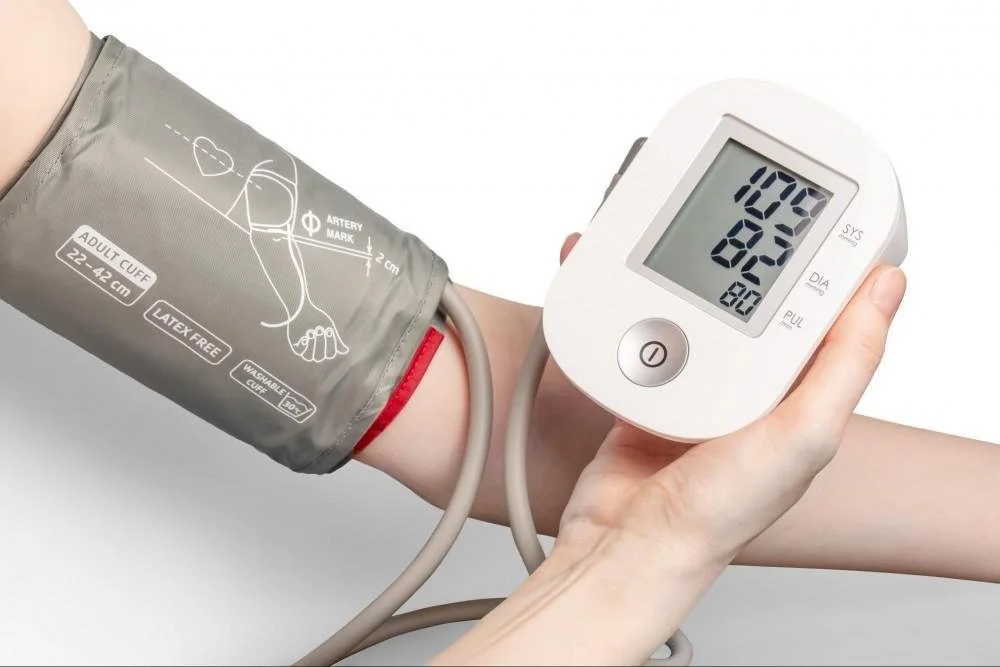
The third and perhaps most overlooked step is the regular monitoring of your blood pressure baseline. Standard blood pressure readings can look very different for someone with SCI, often trending significantly lower than the general population’s "120/80" standard. It is essential to work with a physician to establish what is "normal" for you, as clinical guidelines for autonomic dysreflexia define a dangerous spike as a rise of just 20 mmHg above your personal baseline. Tracking your lipid panels and blood sugar annually is also crucial, as these markers are direct indicators of heart health after an injury.
As February moves forward, let the passing of Valentine's Day be the start of a much more important relationship: the one you have with your own heart. By combining adaptive movement, targeted nutrition, and diligent medical monitoring, the SCI community can navigate the complexities of cardiovascular health with confidence. Protecting your heart is an act of resilience that helps you stay strong for the many milestones yet to come.
