
The "Accessible" Mix-up: When They Just Don't Get It
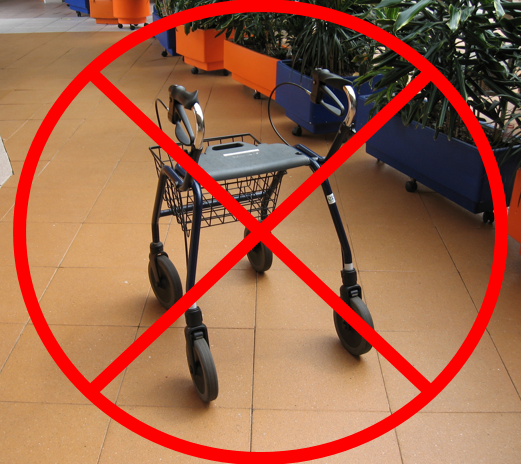
The Department of Justice is currently investigating United Parks & Resorts—the parent company of SeaWorld and Busch Gardens—following complaints of disability discrimination. The investigation centers on a policy that bans rollators with seats, which the parks defend as a safety measure to prevent people from tipping. For the spinal cord injury community, however, this isn't just a minor rule change; it feels like an overreach into personal autonomy. By dictating which mobility aids are "safe" and offering only a generic manual wheelchair as the alternative, these parks are essentially deciding they know more about our functional needs than we do.
These barriers are often due to a lack of fundamental understanding rather than calculated exclusion. For instance, a traveler recently shared an experience where they reserved a mobility-accessible hotel room, only to find they had been placed in a "hearing-accessible" unit instead. While the room was equipped with visual strobe alarms for guests with hearing impairments, it had zero turning radius or bathroom clearance for a wheelchair. When the guest addressed the mistake, the front desk staff was genuinely baffled. They operated under the assumption that "accessible" was a single, catch-all category, failing to realize that a room modified for one disability can be completely non-functional for another.
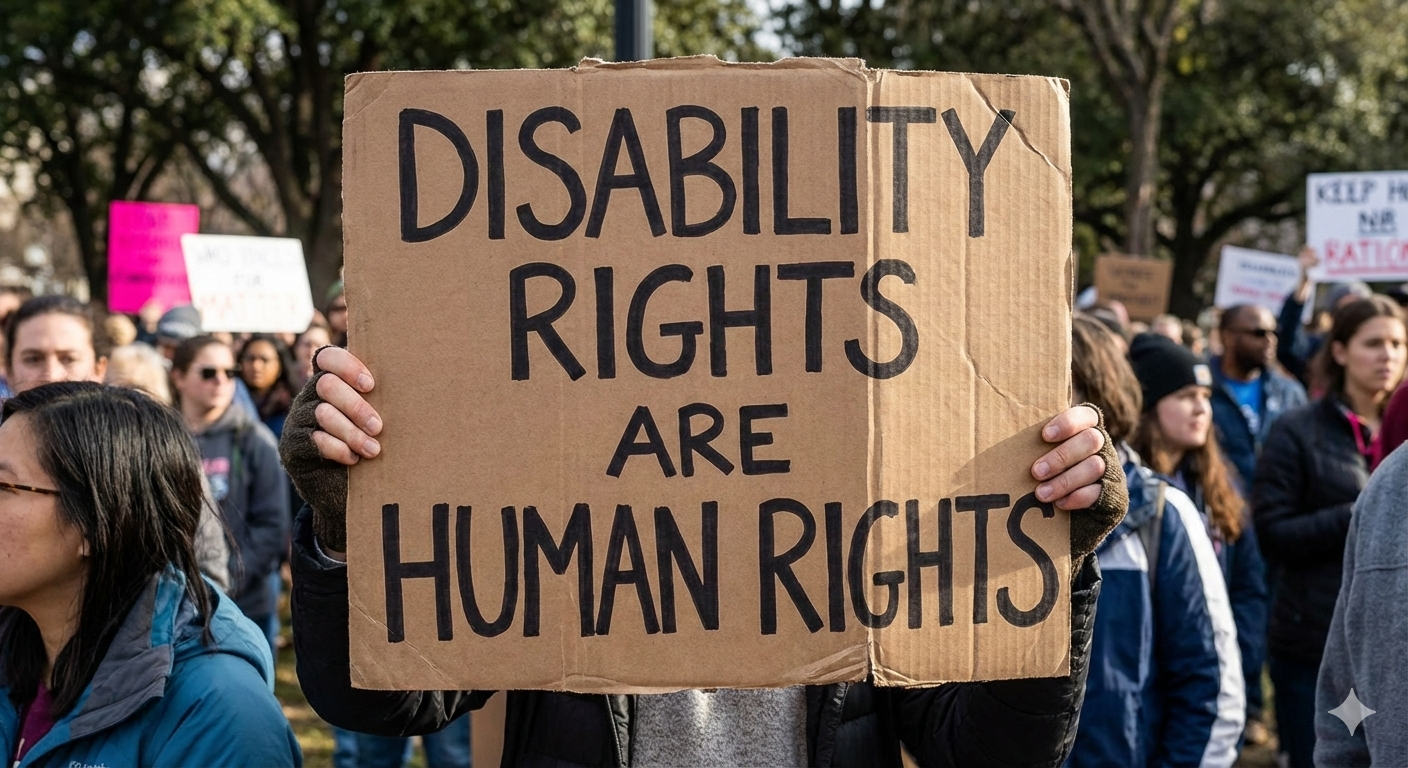
Whether it is a multi-billion dollar corporation or a misinformed hotel clerk, this gap in understanding how different disabilities require specific solutions remains a constant hurdle. It highlights the reality that navigating the world often requires as much education as it does physical effort. Hopefully, what we consider common sense will prevail so that "access" actually meets the needs of the person using it. This disconnect leads to a frustrating experience that many in the community have faced, but our fundamental rights are not up for negotiation.
