
Prepared and Proactive: Navigating Global Travel with a Spinal Cord Injury
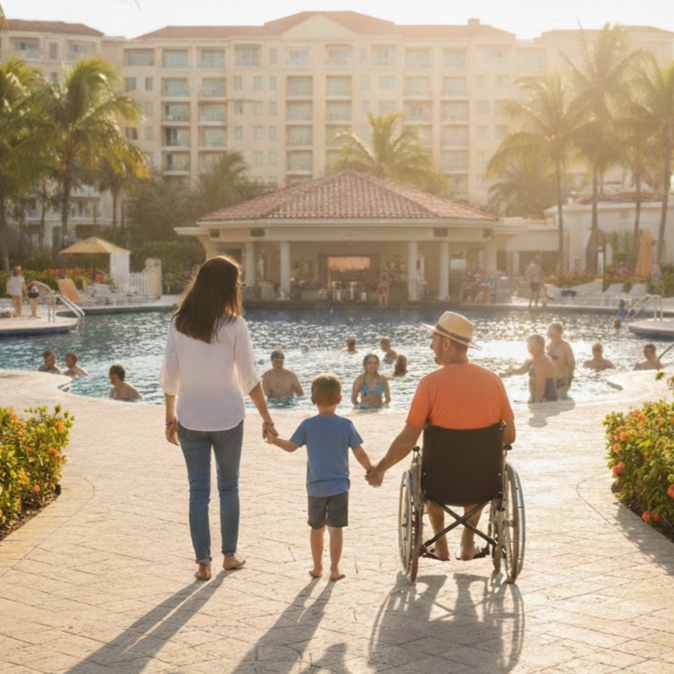
Spring break is a time for exploration, and having a spinal cord injury (SCI) shouldn't keep you from enjoying the incredible world we live in. While recent headlines about unrest in parts of Mexico and other global regions might cause some hesitation, the key to traveling without fear is preparation. By building a solid safety strategy, you can focus on the joy of your adventure while staying ready for the unexpected.
Proactive Preparation: Building Your Safety Net
Safety is built into the details of your itinerary. Taking these steps before you leave creates a buffer that handles the "what-ifs" so you can relax and enjoy your trip.
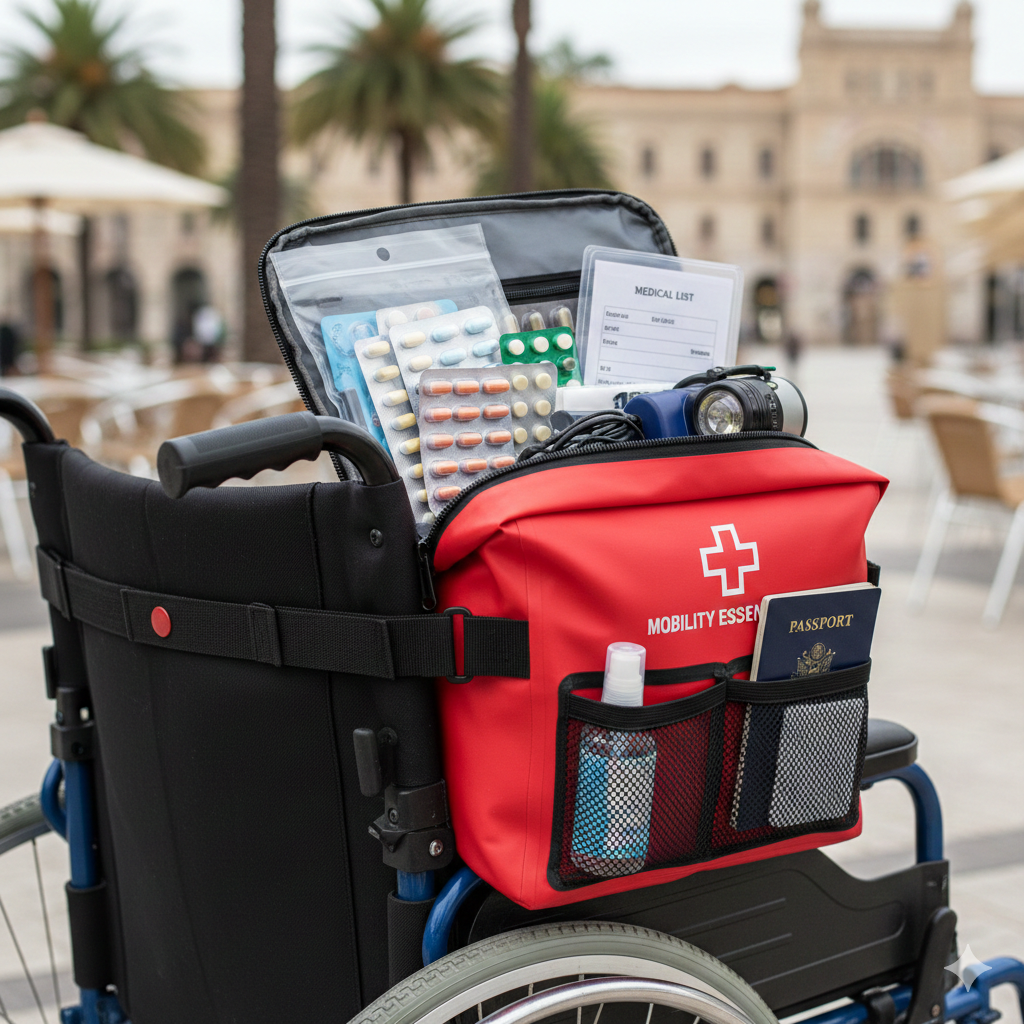
The 14-Day Surplus: One of the most critical steps is the two-week buffer. Always carry at least 14 days of extra medications and essential supplies (like catheters or bowel program items) beyond your planned return date. Keep these in your carry-on or attached to your chair—never in checked luggage—to ensure you are self-sufficient even if travel is delayed or local shops close.
The "Local Liaison" Strategy: Register your travel with the STEP program for U.S. citizens. This allows you to receive real-time text alerts about local conditions and provides a formal channel for assistance if the regional climate shifts.
Strategic Lodging: Choose well-established hotels with 24-hour security and internal power backups. When checking in, confirm that your "accessible" route doesn't rely solely on a single elevator, as power fluctuations can occasionally occur during times of unrest.
The Mobility "Go-Bag": Keep a small, durable bag attached to your wheelchair at all times. It should contain a backup power bank, a printed list of your medications, your passport, and that 14-day supply of critical items. This ensures that even if you have to leave your main luggage behind, your health and identity are protected. Pro tip: use your phone to take photos of your medication list and passport, saving them to “favorites” or a travel folder. This way you’ll have a backup you can access without wi-fi.
Navigating a Dangerous Situation
If you find yourself near a protest, a sudden shutdown, or a security event, the goal is to remain calm and move with intention.
Moving Toward "Hard Cover"
If a crowd begins to gather or tension rises, move toward the perimeter of the area immediately. Avoid the center of any gathering where movement is restricted. Look for "hard cover"—the internal rooms of a concrete building or a sturdy hotel lobby—and stay away from large glass windows or storefronts.
Communicating Your Needs
In a high-stress environment, clear communication is your best tool. If you are stopped by security or need help from bystanders, be direct and calm:
State Your Situation: "I have a spinal cord injury and limited mobility."
Give Lifting Instructions: If you need to be moved quickly, tell people exactly how to lift you to avoid secondary injury to your skin or spine.
Stay Visible: Keep your hands visible and your movements predictable to ensure you aren't misinterpreted by local authorities.
The "Shelter-in-Place" Protocol
If the local area becomes unpredictable, the safest move is often to stay exactly where you are. Modern hotels are designed to be secure environments. Use this time to recharge your equipment, fill water containers as a precaution, and wait for a clear update from your embassy or hotel management.
Preparation and awareness are the keys to a successful trip, allowing you to focus on the sights and experiences ahead. With your extra supplies on hand and these safety protocols in mind, you can navigate your journey with a calm, capable attitude and truly enjoy your spring break.
