
It’s Not Luggage: Wheelchairs and the Priority of Mobility

With spring break travel just around the corner, many of us are preparing for much-needed getaways. However, the Department of Transportation (DOT) has also been busy, shifting toward much stricter enforcement of wheelchair handling rules. In a landmark move, the DOT recently issued a record $50 million penalty against American Airlines for systemic failures in mobility device safety. This fine is 25 times larger than any previous penalty, signaling that the "cost of doing business" no longer excuses the mistreatment of our essential equipment.
This shift is backed by the "Airline Passengers with Disabilities Bill of Rights," which aims to guarantee safe and dignified travel for everyone. Under these regulations, airlines are held fully liable for any damage to mobility equipment on domestic flights. The goal is to move beyond simple repairs and toward a standard of total accountability, ensuring that travelers with spinal cord injuries aren't left stranded or injured due to airline negligence.
For the upcoming travel season, your best tools for protection are documentation and proactive preparation. Before you head to the airport, take time-stamped photos of your equipment from multiple angles to prove its pre-flight condition. It is also highly recommended to attach clear, written handling instructions—and even your user manual—directly to your device. These small steps make a massive difference if you need to prove the condition of your chair or guide ramp staff on how to safely stow it.
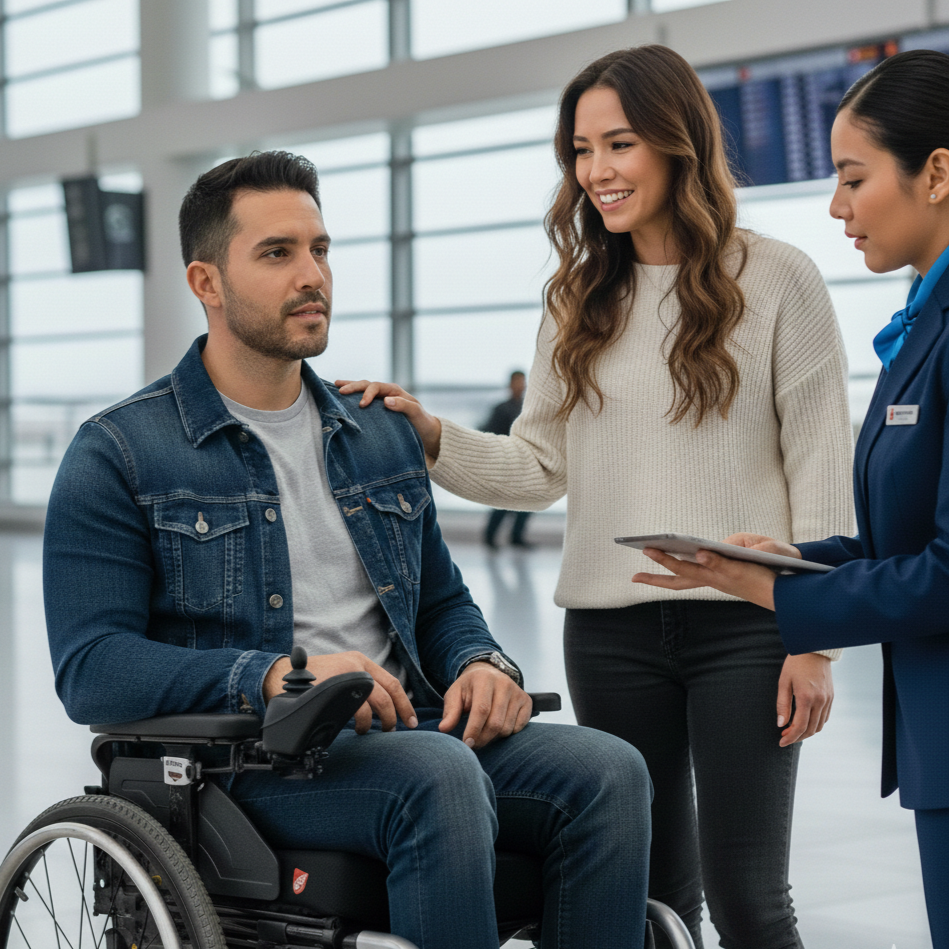
If you discover damage upon arrival, do not leave the airport without taking action. You should file a report immediately and request to speak with a Complaints Resolution Official (CRO). Every airline is required to have a CRO available, either in person or by phone, to resolve disability-related disputes on-site. The law mandates that airlines provide prompt repairs and—most importantly for your independence—a functional loaner chair that actually meets your specific mobility and safety needs while your own chair is being fixed.
Becoming aware of your rights and keeping your documentation ready allows you to hold airlines accountable and ensure your travel experience is respectful and safe. Knowing the rules allows you to advocate for yourself effectively, ensuring that regulatory guidelines are followed to the letter.
