Shape the Future of Technology: Paid Opportunity with AXION Labs
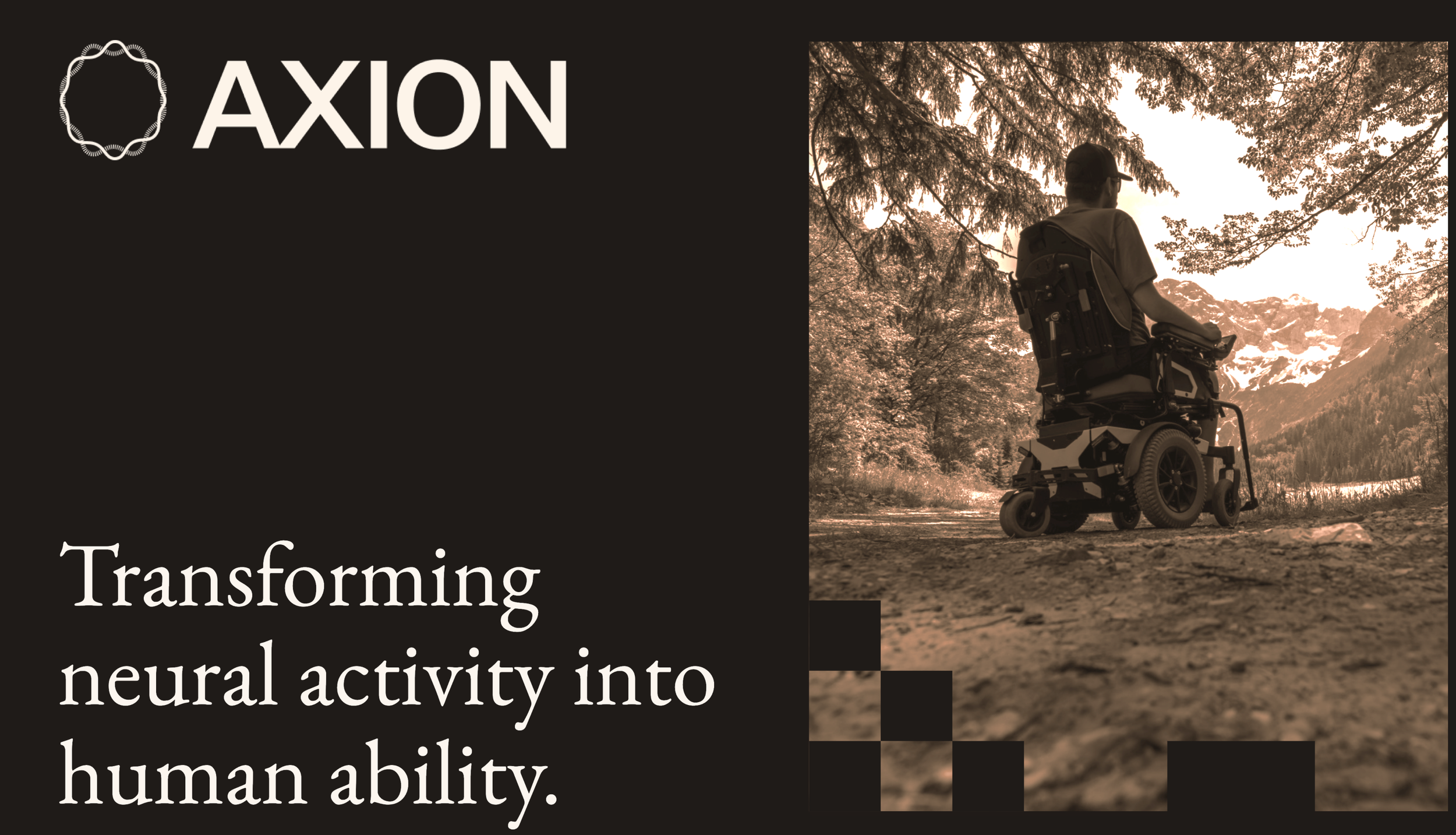
The landscape of assistive technology is evolving rapidly, and members of the NorCal SCI community can help lead the way. AXION Labs is currently developing a non-invasive Brain-Computer Interface (BCI)—a wearable headband designed to allow users to control an iPad using only their thoughts.
Often described as a "non-invasive Neuralink," this technology requires no surgery or implants. To ensure the device is truly functional and user-friendly for those it is intended to serve, AXION Labs is seeking paid development partners to provide essential lived-experience feedback.
The Role: This is a hands-on, collaborative position. As a development partner, you won’t just be a "tester"—you will work directly alongside engineers in real-time. Your feedback will shape the product's design, software interface, and overall usability.
Candidate Requirements:
Eligibility: Adults (ages 18–55) with a spinal cord injury affecting upper-limb function (quadriplegia or significant impairment).
Communication: Must be verbal to provide detailed feedback to the engineering team.
Location: Must live within approximately one hour of San Francisco.
Commitment & Compensation:
Pay: $70 per hour.
Schedule: Flexible commitment, typically involving 1–2 days per week.
Location: A mix of on-site sessions at the AXION Labs office in San Francisco and sessions conducted in the comfort of your own home.
Travel: All transportation costs to and from the San Francisco office will be covered by the company.
This is a unique opportunity to get in on the ground floor of a game-changing piece of technology while ensuring the voices of the SCI community are heard during the development process.
How to Apply: If you are interested in helping build the next generation of adaptive tools, please reach out to Raj at raj@axion.sh to set up an introductory call.
