SCI News: Scientists 3D-Print Mini Spinal Cords That Restore Walking in Paralyzed Rats
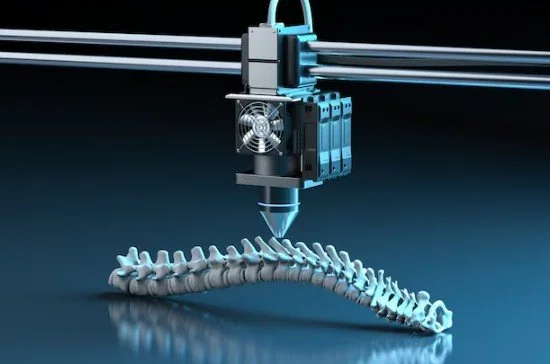
Picture this: researchers hit “print” and out comes a tiny scaffold that looks like a spinal cord—complete with built-in lanes for new nerves. Sound like sci-fi? It just happened.
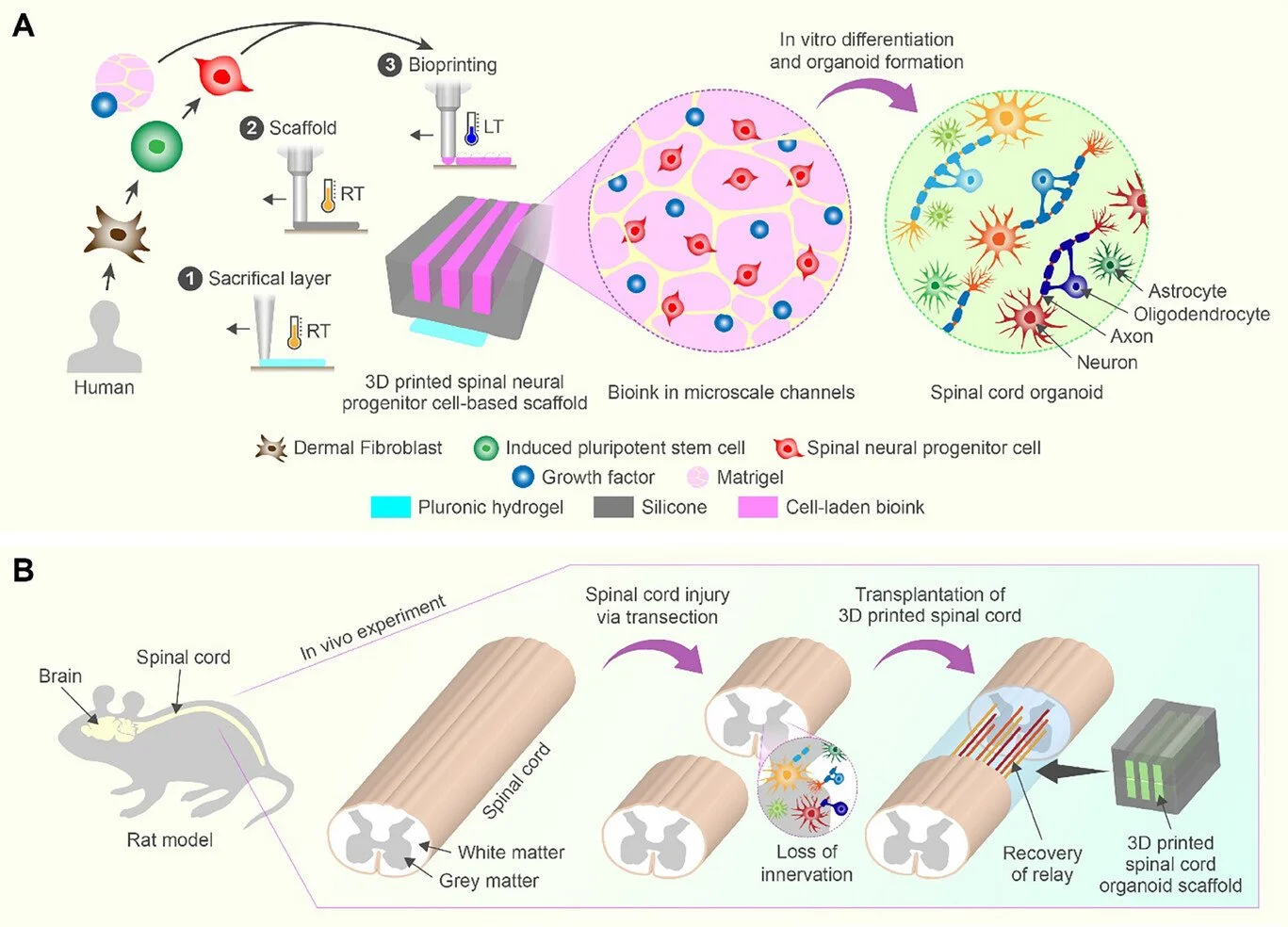
University of Minnesota Researchers 3D-printed small silicone scaffolds that look like simplified spinal cords, complete with tiny channels that tell cells exactly where to grow. They seeded these scaffolds with human stem cell-derived neural progenitor cells. Guided by the printed structure, the cells turned into mature neurons and oligodendrocytes (the cells that insulate nerves) and sent axons long distances in the correct rostral and caudal directions—something earlier approaches struggled to control.
In rats with a completely severed spinal cord, the implanted mini-cords survived and integrated with the host tissue. Over 12 weeks, the grafts formed functional relays: axons crossed the injury site in both directions, new synapses formed with the rat’s own neurons, and cortical motor signals could once again drive muscle activity. Treated animals regained coordinated walking with an average BBB score of 8.4 (frequent weight-supported steps), compared to 2 or lower in untreated rats.
While still in the preclinical stage, the study is encouraging for the SCI community because it addresses two major past problems (poor cell survival and disorganized growth) at the same time. The scaffold design could eventually let doctors create personalized implants from a patient’s own cells that reliably bridge the gap and restore meaningful function.
To read the entire study, click HERE.