
Stem Cell Therapy: It’s Not Just Science Fiction Anymore
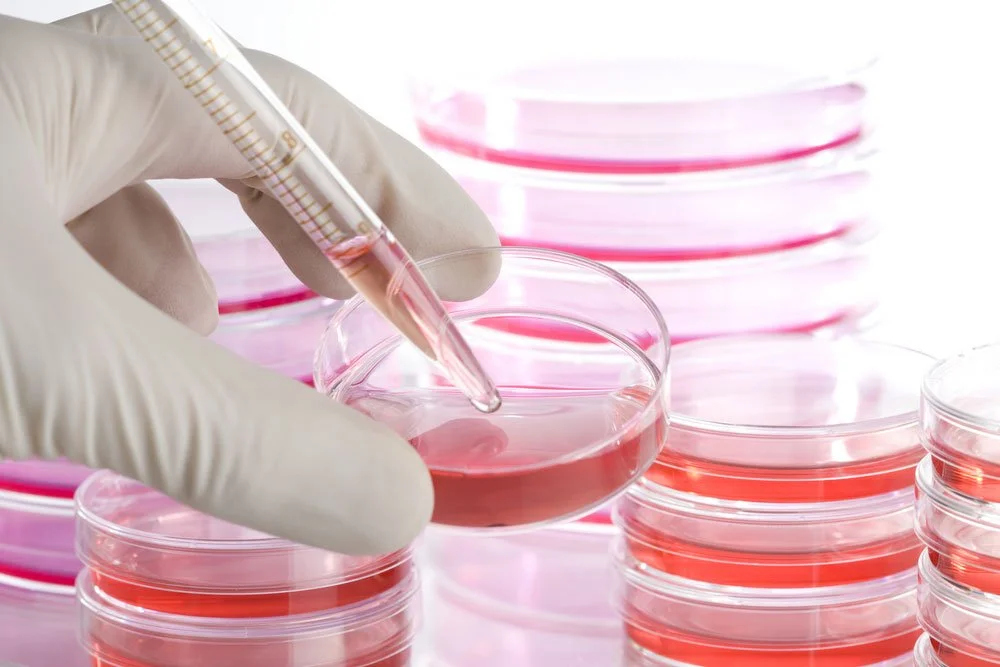
For years, the promise of stem cell therapy for spinal cord injuries (SCI) has centered on the idea of replacing lost nerve cells. However, a persistent hurdle has been ensuring those new cells actually "talk" to the body’s existing networks. In 2026, researchers have made significant strides in understanding how to make these connections more permanent and functional.
Finding the "Right" Cells
Recent studies have shifted focus from simply injecting stem cells to identifying the specific subtypes that drive recovery. For example, research into specific interneurons has pinpointed how these cells act as a bridge to rewire the spinal cord's motor circuits. By isolating these specific "bridging" cells, scientists can create enriched transplants that are genetically primed to reconnect with the walking circuitry already present in the spinal cord.
Support Beyond the Injury Site
A major breakthrough involves looking at the environment surrounding the injury. Scientists have identified that lesion-remote astrocytes—support cells located away from the primary damage—play a critical role in tissue repair by clearing lipid-rich myelin debris. This cleanup is directed by a specific protein called CCN1, which orchestrates the immune response to promote healing. Without this natural cleanup crew, neurological recovery is significantly blunted.
"Dancing Molecules" Reach Human Success
Another leap forward comes from the application of "dancing molecules"—synthetic scaffolds designed to mimic the natural environment of the spinal cord. While this technology showed success in animal models previously, 2026 has brought successful testing on human spinal cord organoids (miniature, lab-grown human tissue). These molecules "dance" to communicate with cell receptors, effectively tricking them into initiating repair and reducing the scarring that often blocks new nerve growth.
The Path to Clinical Trials
The landscape for human trials is expanding rapidly, with several therapies moving toward final testing phases.
EG 427 (EG110A): This study is specifically targeting neurogenic bladder dysfunction. Initial results released in early 2026 showed a remarkable 88% reduction in urinary incontinence episodes that was sustained for six months after a single treatment. The therapy uses a "pinpoint" DNA approach to silence the specific sensory neurons responsible for bladder overactivity while leaving other controls intact. Learn more about the EG 427 study HERE.
NervGen (NVG-291): Following successful Phase 2 meetings with the FDA, NervGen is on track to initiate its Phase 3 "RESTORE" study in mid-2026. This drug is unique because it is "neuroreparative," meaning it aims to enable the nervous system to repair itself. Participants in earlier phases reported durable improvements in hand function, bladder control, and reduced spasticity that continued to improve even after the 12-week treatment ended.
Comprehensive Research Updates: For a broader look at the many different clinical trials currently making waves—from Axonis Therapeutics’ work on neuropathic pain to various regenerative drug candidates—you can explore the latest progress reports from leading SCI foundations. View a summary of current research initiatives HERE.
While wide-scale clinical availability is still on the horizon, the research in 2026 marks a transition from asking if stem cells and DNA medicines can help, to understanding exactly how to make them work effectively for the human body.
