
Style Without Limits: Redefining Fashion Across the Mobility Spectrum
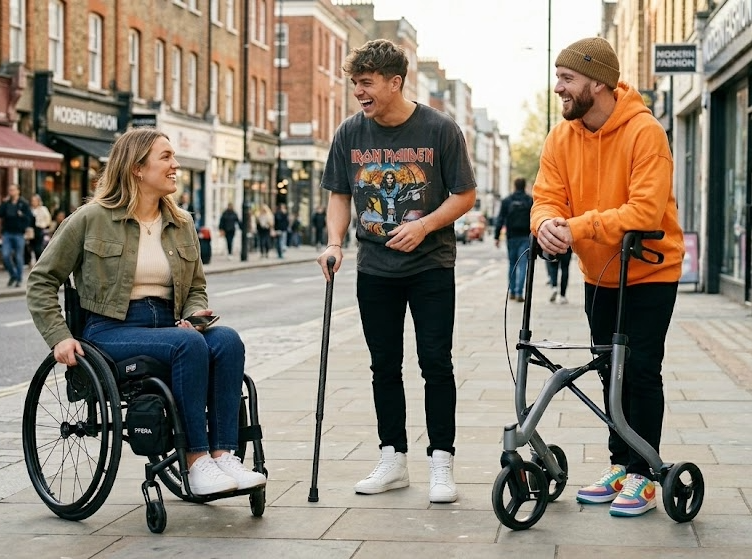
Fashion has long been a powerful vehicle for self-expression, yet for those utilizing mobility aids, the industry has historically prioritized utility over aesthetics. However, a significant shift is occurring. Today, mobility aids like canes, walkers, and wheelchairs are being integrated into high-fashion narratives, proving that sophisticated style and accessibility are not mutually exclusive. Whether navigating the world with a sleek carbon-fiber cane, utilizing a walker, or rolling in a custom-fit wheelchair, looking great is about intentionality in fit, fabric, and flair.
The modern approach to style rejects the outdated idea that clothing must look clinical to be functional. The focus has firmly shifted toward streetwear-inspired silhouettes, high-quality textiles, and pieces that look identical to premium retail lines while hiding ingenious, adaptive engineering.
The Curated Adaptive Wardrobe
Finding pieces that work dynamically with the body’s movement while using a mobility device requires looking for specific structural details. For those who spend their day seated or use devices that require a wide range of motion, standard off-the-rack clothing often bunches, pulls, or creates uncomfortable pressure points. These three dedicated brands have completely revolutionized the space by keeping aesthetics front and center:

1. IZ Adaptive: A pioneer in the space, this brand focuses on the "Seated Fit." By eliminating excess fabric at the front and extending the rise at the back, their trousers avoid the common issues of bunching or slipping. Their collections lean toward sophisticated minimalism, perfect for professional or elevated social settings.
2. No Limbits: This line excels at blending into the current streetwear scene. Their denim and sensory-friendly basics are designed with hidden features like side zippers and reinforced stress points, ensuring durability for those who use manual wheelchairs without sacrificing a modern aesthetic.
3. JAM the Label: Founded with a heavy emphasis on inclusion, JAM provides vibrant, Gen-Z-friendly apparel. Their designs use magnetic closures and cleverly placed loops to assist with dressing, ensuring that a bold outfit is as easy to put on as it is to wear.
Mainstream Fashion with an Edge
Beyond specialized adaptive brands, certain contemporary mainstream labels offer collections that naturally suit mobility needs without requiring a trip to a medical supply store.

4. Tommy Hilfiger Adaptive: This collection offers the classic American cool aesthetic with invisible modifications. Magnets replace buttons and adjusted openings allow for easy wear over braces or while seated. It remains one of the most accessible ways to wear a major designer label while benefiting from adaptive engineering.
5. Uniqlo: Known for their high-tech fabrics and clean lines, Uniqlo is a favorite for those seeking high-fashion basics. Their "EZ" trousers and "Airism" lines offer significant stretch and breathability, making them ideal for those using walkers or wheelchairs who need mobility without the weight of heavy, traditional fabrics.
Bonus: High-Performance Fitness Wear
For the active individual, specialized fitness gear is essential for maintaining comfort, skin integrity, and performance during workouts. Traditional athletic wear can often ride down or cause friction, but these two lines are leading the pack for adaptive fitness:
FFORA: While primarily known for their sleek attachments, their focus on the "Active Seated" lifestyle ensures their accessories and gear integrate perfectly with a wheelchair-using athlete's needs.

Lululemon (Adaptive Line): While a mainstream giant, their focus on high-stretch, high-recovery fabrics means many of their standard leggings and tops work excellently for seated athletes. They have also begun introducing specific adaptive features in select regions, focusing on magnetic closures and easy-on features for their most popular styles.
True style is never about forcing your body or your mobility aid to fit into a rigid fashion mold; it is about demanding that fashion design for the reality of your movement. Embracing your individuality means choosing garments that empower your independence and reflect your personal aesthetic with absolute confidence. When you refuse to compromise on either comfort or style, your clothes don't just accommodate your device—they elevate your entire presence.
Have a favorite we didn’t mention? Let us know! Email info@norcalsci.org and tell us about it!
