
10 Things Most People Don't Realize About SCI
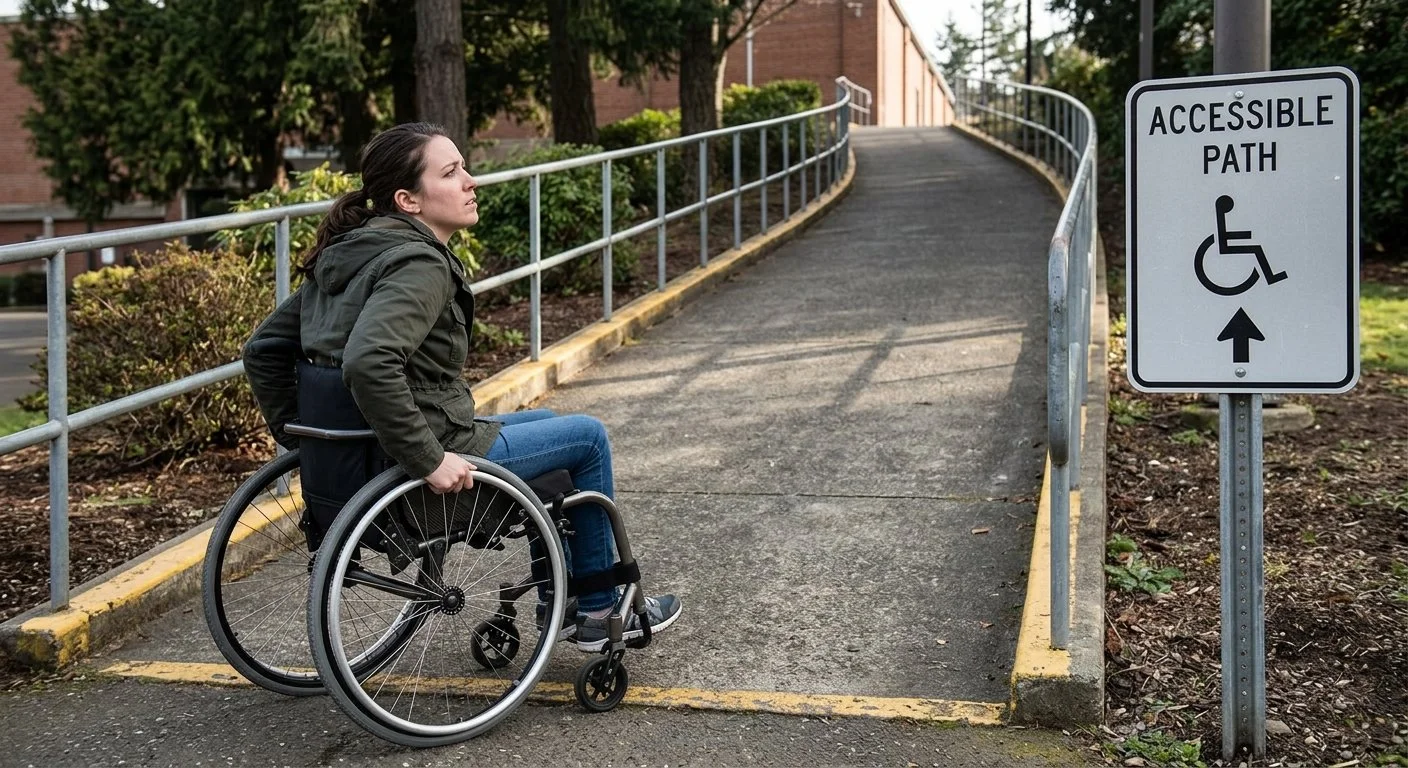
Spinal Cord Injury Awareness Month often brings a flood of inspiring stories and medical updates. While those have their place, genuine awareness comes from understanding the practical, day-to-day realities of living with a spinal cord injury. Disability advocate circles often use the phrase "Temporarily Able-Bodied" (TAB) to describe non-disabled people—a helpful reminder that, given enough time, aging or circumstance eventually changes everyone's physical abilities. Accessibility isn't an issue for "them"; it's a reality for all of us.
To shed light on what life with an SCI actually entails, here are ten honest insights directly from our community.
1. Curiosity is fine, but timing matters
Asking a stranger in a grocery store aisle how they acquired their injury can be exhausting. It essentially asks someone to revisit a major (and often traumatic) medical event while running routine errands. Genuine respect starts by seeing the person before the disability.
2. Mobility is only a fraction of the story
Most people focus on walking, but a spinal cord injury impacts the entire nervous system. Secondary effects—such as chronic nerve pain, temperature regulation issues, fatigue, and neurogenic bowel and bladder management—often require far more daily planning than getting from point A to point B.
3. Walking and using a wheelchair aren't mutually exclusive
Spinal cord injuries are varied, and many people have ambulatory injuries that allow them to walk short distances while using a wheelchair for longer trips or high-fatigue days. Choosing a mobility device on a given day isn't a sign of recovery or relapse; it is simply energy management and a tool for staying active.
4. Accessibility requires detail, not just a ramp
A building labeled "accessible" often falls short of real-world needs. A heavy manual door at the top of a steep ramp, a single step at an entrance, or a narrow bathroom stall can completely halt someone's day. True accessibility accounts for the entire experience.
5. The administrative burden is a full-time job
Living with an SCI involves navigating a complex web of insurance approvals, equipment repair delays, prescription orders, and medical appointments. Managing these logistics requires immense effort long after leaving the rehabilitation center.
6. Unsolicited advice is rarely helpful
From unproven treatments to miracle claims found online, people with SCI frequently receive unsolicited medical suggestions. While usually well-intentioned, these recommendations are rarely applicable and often ignore the complexities of individualized medical care.
7. Offers of help are great—and so is taking "no" in stride
A straightforward, casual question like, "Would you like a hand with that door?" is always appreciated. If the response is a simple "No thanks," or even a slightly abrupt refusal, remember it isn't personal—everyone has days when they just want to manage things on their own. Respecting the response and moving on keeps the interaction comfortable for everyone.
8. Pity is unnecessary, and "inspiration" can be patronizing
Going to work, going out to dinner, or living daily life while using a wheelchair isn't inherently extraordinary—it is just living. Overpraising ordinary activities can feel patronizing, while pity overlooks the active, fulfilling lives people build post-injury.
9. Social plans require advanced logistics
Spontaneity gets complicated when every outing demands research. From verifying accessible transport to checking table heights and restroom setups, attending a simple social event often requires hours of preparation behind the scenes.
10. Inclusion means planning ahead, not adapting late
True inclusion happens when accessibility is considered from the beginning of event planning, venue selection, or policy making, rather than added as a last-minute accommodation.
Building true awareness isn't about memorizing medical terms or walking on eggshells around disability. Remembering that most people are simply "temporarily able-bodied" shifts the perspective entirely: accessible environments, thoughtful communication, and reduced administrative hurdles aren't special privileges—they are investments in a world that works for everyone, now and in the future.
