
Men’s Health Month: The Blueprint for Longevity with SCI
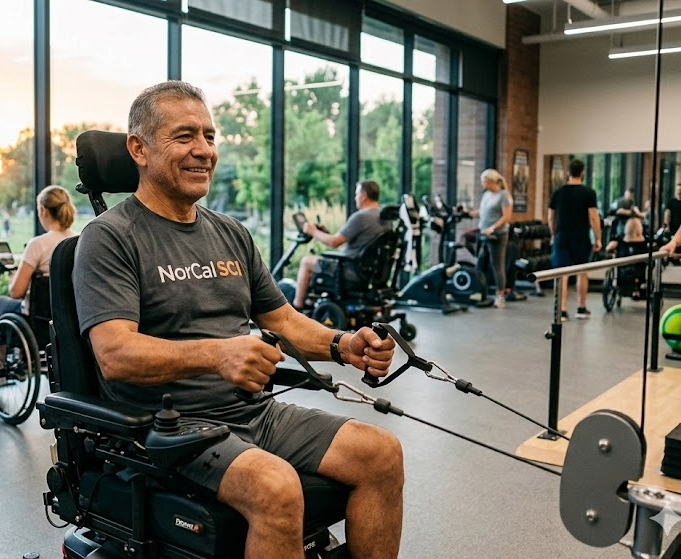
As men cross the 40-year milestone, the body naturally begins to change, requiring a shift in how we approach our daily routines. But with June marking Men’s Health Month, it is the perfect time to remind ourselves that for mature men living with a spinal cord injury, aging brings specific physiological shifts that demand closer attention. While experience brings wisdom, managing the long-term impacts of paralysis requires a more structured, tactical approach to routine preventative care. Taking control of your health after 40 isn't about slowing down; it is about fine-tuning your neurogenic and metabolic systems to protect your independence and keep your vitality redlined for the miles ahead.
The Internal Checklist: Precision Urological Surveillance
One of the most important focal points as the body matures with a spinal cord injury is urological health. Over decades of neurogenic bladder management, the risk of bladder stones, upper tract changes, and specific malignancies increases. For men with a history of long-term catheter use or intermittent catheterization, staying ahead of the curve means maintaining regular check-ins with a urologist to assess for chronic tissue changes.
Additionally, prostate health must move to the top of the priority list. Routine Prostate-Specific Antigen (PSA) screenings and digital rectal exams remain highly effective and accurate for men with an SCI, completely unaffected by different bladder management methods. Partnering with professionals to monitor these internal systems is the ultimate act of self-care, catching minor shifts before they become major roadblocks to your independence.
Fuel, Flexibility, and Preserving Joint Longevity

image courtesy: creative commons
As the metabolism naturally begins to pace itself alongside the altered muscle mass typical of a spinal cord injury, an intentional focus on what you put into your body becomes your primary line of defense. Adjusting dietary habits to emphasize anti-inflammatory foods, high fiber, and smart portion control is critical for combating a slower metabolic rate and drastically reducing the risk of secondary conditions like neurogenic bowel complications and autonomic dysreflexia triggers.
Pairing premium nutrition with consistent circulation and movement practices is vital to protecting your long-term comfort and health. Whether your daily routine involves navigating your environment in a power chair, logging miles pushing a manual chair, or working hard to ambulate, decades of living with a spinal cord injury place unique physical demands on your body. For individuals using power chairs, utilizing passive standing frames, functional electrical stimulation (FES), or working closely with caregivers on diligent range-of-motion stretching protects joint integrity, aids circulation, and manages spasticity. For those pushing manual chairs or ambulating, targeted resistance work and joint-safe activities like swimming allow you to preserve your shoulders, protect your joints, and maintain crucial cardiovascular endurance.
Strengthening the Mind: The Power of Peer Connection
True fitness isn't just physical—keeping your mental armor intact is equally critical. Navigating the long-term realities of paralysis can bring unique psychological challenges, and isolation is often the biggest enemy of well-being. Nurturing your mental health through dedicated social interaction is a vital part of the preservation process. Staying connected, sharing your lived experience, or mentoring those who are newer to the injury fosters a profound sense of purpose that keeps you resilient against the anxiety and depression that can accompany aging with an SCI.
Because none of us should ride this path alone, taking care of your mind means actively surrounding yourself with people who truly get it. If you are looking for a trusted space to talk through the challenges, share victories, and build genuine connections with other men who understand the exact realities of living with paralysis, our Men with SCI support group, facilitated by Armando Rodriguez, is here for you. Whether you connect online or in person, joining this circle offers invaluable peer support and shared wisdom.
Cardiorespiratory Tracking: Beyond the Standard Metrics
Simultaneously, metabolic and cardiovascular tracking must move directly to the forefront of your medical calendar. Because individuals with a spinal cord injury experience altered autonomic nervous system function and reduced active muscle mass, the risk of cardiovascular issues rises more significantly with age, making regular lipid panels and blood sugar monitoring absolutely crucial.
Traditional body mass index (BMI) metrics often underestimate cardiovascular and diabetic risks in the SCI population due to changes in body composition. Working closely with a physician who understands spinal cord medicine to track blood pressure, cholesterol levels, and blood sugar trends is the only way to map out an accurate health trajectory.
The Longevity Blueprint: Resources for the Journey Ahead
Prioritizing these routine diagnostic exams and proactive wellness choices allows you to preserve your hard-earned health, protect your peace of mind, and keep moving forward with total confidence. Aging with a spinal cord injury comes with its own unique set of rules, but you do not have to figure them out on your own. Gathering the right information is the most powerful tool you have for maintaining long-term independence.
For an excellent deep dive into what to expect and how to optimize your body as the miles add up, you can review the MSKTC Aging with SCI Factsheet or read through the highly detailed Craig Hospital Aging Guide for practical lifestyle adjustments.
Taking total charge of your wellness milestones also means plugging into local support and clinical expertise. You can explore specialized clinical links, community programs, and peer networks tailored directly to your journey by visiting the NorCal SCI Resource and Support Page.
