
Fighting for Function: The Bioness H200
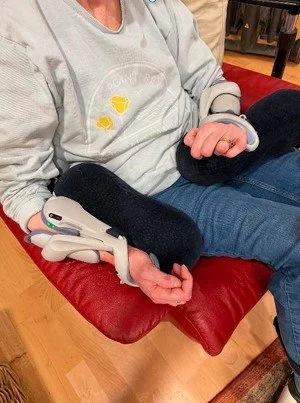
For many in the spinal cord injury (SCI) community, the hands are the primary gateway to independence. When that gateway begins to close due to muscle weakness or spasticity, the impact is felt in every aspect of daily life—from feeding oneself to navigating the world. While every injury is unique, the struggle to maintain hand function is a shared experience.
Recently, we spoke with Karen from Sacramento. While Karen lives with Multiple Sclerosis (MS), her symptoms at multiple levels mirror the challenges faced by many with quadriplegia. Her fingers, instead of stretching out to be useful, would often clench involuntarily—a frustrating mix of muscle fatigue and a lack of motor control. Karen wasn't ready to let that function slip away, and she found a powerful ally in the Bioness H200.
From Tension to Extension
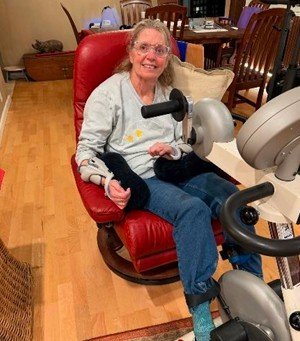
The Bioness H200 utilizes functional electrical stimulation (FES) to help contract and strengthen the muscles in the hand and forearm. For Karen, the impact was immediate.
"The Bioness helps fatigue the muscles in a good way," Karen explains. After a session, her fingers feel looser and more responsive. The most significant benefit often happens after the device comes off: when she places her hands in her mini-splints for the night, her fingers can finally lie flat and relaxed, receiving what she calls the "optimal benefit" of the stretch rather than fighting against a clench.
Fighting for Function
The stakes for maintaining hand function are high. Having recently transitioned from a finger-controlled power wheelchair to one controlled by her neck, Karen is acutely aware of how precious every bit of movement is. Her goal with the Bioness is simple but profound: to keep her hands from becoming non-functional.
The H200 isn't just a rehab tool; it’s a daily companion that assists with the "small" tasks that define independence:
Dressing: Gaining the grip strength to grab the bottom of a shirt.
Dining: Positioning and clenching a fork to feed herself.
Coordination: Working through limited arm and shoulder movement to slide food across a plate.
Freedom to Move
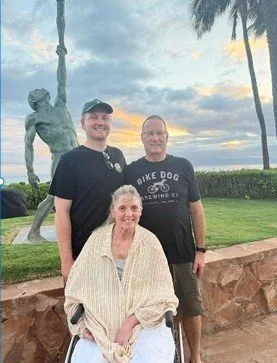
One of the greatest hurdles with advanced rehab equipment is that it often stays "bolted to the floor" in a clinic. The Bioness H200 is different. Because it is compact and portable, it doesn't tether you to your home. In fact, Karen recently traveled to Hawaii, and her H200s were right there in her suitcase.
"I’m hoping the Bioness will help strengthen the muscles I have left to help me grip, eat, and stay active," Karen says. Her journey is a reminder that while SCI presents massive challenges, technology—combined with a lot of grit—can help us hold onto the things that matter most.
How NorCal SCI Can Help: The Road to Recovery Grant
We want our SCI community to have access to the same life-changing technology that Karen is using. If you believe the Bioness H200 (or similar FES equipment) could help you reclaim your independence, improve your grip, or manage spasticity, we encourage you to apply for our Road to Recovery (R2R) Grant.
R2R grants are designed specifically to help individuals with spinal cord injuries in Northern California acquire the equipment and therapy they need to thrive. Don't let the "gateway" to your independence close—let us help you keep it open.
Ready to take the next step? Find out more about the Road to Recovery grant and apply HERE.
